
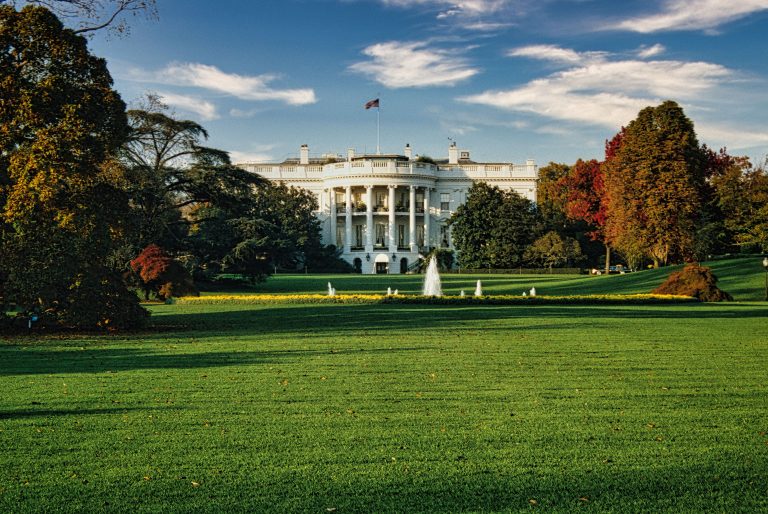
Patrick Witt’s departure leaves the White House with a crypto policy vacancy and no publicly named successor, even as officials say digital assets remain a priority. Witt had led the administration’s effort around the Digital Asset Market Clarity Act, but the White House did not say who would take over his work.
The exit follows a stalled Senate effort and a broader change in how the administration assigns crypto policy responsibilities. A White House official thanked Witt on Thursday and said the president would continue to prioritize crypto and the Clarity Act. The official did not identify a replacement.
Witt confirmed his departure Wednesday night after rumors circulated that he had already left. He thanked regulators and elected officials who had worked with him on the legislation, writing that their involvement left him confident about the future of digital asset innovation in America. He said he would move into the private sector.
The Clarity Act, which would establish a U.S. regulatory framework for crypto markets, failed to advance in a Senate floor vote about a month ago. The chamber then dispersed for a lengthy break ahead of next month’s elections. Some people on Capitol Hill have continued to suggest that lawmakers could still act during the final weeks of the congressional session after the November elections.
Witt had said in July that he faced military-service commitments with the Georgia National Guard. He remained in his role to complete negotiations over the Clarity Act. His deputy, Harry Jung, had already left to join Nxum, a consulting firm Witt’s predecessor Bo Hines established with his father and another partner.
The administration’s crypto effort began before Donald Trump returned to office in 2025. Trump named former PayPal executive David Sacks as his incoming AI and crypto czar, then tapped Bo Hines to direct the digital assets advisory council. The council began as a one-person operation and later added a deputy.
Hines became a prominent White House voice on crypto, meeting industry figures and appearing at events. His roughly eight-month tenure ended after Congress passed the Guiding and Establishing National Innovation for U.S. Stablecoins Act, known as the GENIUS Act.
Hines then took a job leading Tether’s U.S. arm. The Wall Street Journal reported this week that Nxum received Tether consulting payments while Hines worked at the White House on the GENIUS Act.
After Hines left, Witt became executive director of the council and the administration’s public advocate for the Clarity Act. Sacks had stepped down from the czar role in March, leaving Witt and Jung to manage the administration’s crypto position.
The White House still has policy advisers, and the administration has crypto-related regulatory work underway at agencies including the Securities and Exchange Commission. However, no one has been explicitly named to lead Trump’s in-house digital assets initiatives after Witt’s departure.
The shift is visible in a separate appointment. Earlier this month, Trump named former SEC Chairman and current intelligence director Jay Clayton to lead the Super Intelligence Force, an AI oversight effort. The role no longer includes crypto, though it had previously combined the two areas. CoinDesk noted Clayton’s past as SEC chief, where the agency began an approach later described as “regulation by enforcement.”
The immediate next step is therefore unclear: the White House has reaffirmed crypto and the Clarity Act as priorities but has not identified who will manage those efforts. Related coverage has tracked the industry’s regulation debate, the Senate fight over Clarity, and Trump’s call for passage.
CoinDesk’s report on the vacancy documents the departure and the administration’s unanswered succession question.






Lorem ipsum dolor sit amet, consectetur adipiscing elit. Ut elit tellus, luctus nec ullamcorper mattis, pulvinar dapibus leo.
Lorem ipsum dolor sit amet, consectetur adipiscing elit. Ut elit tellus, luctus nec ullamcorper mattis, pulvinar dapibus leo.

